
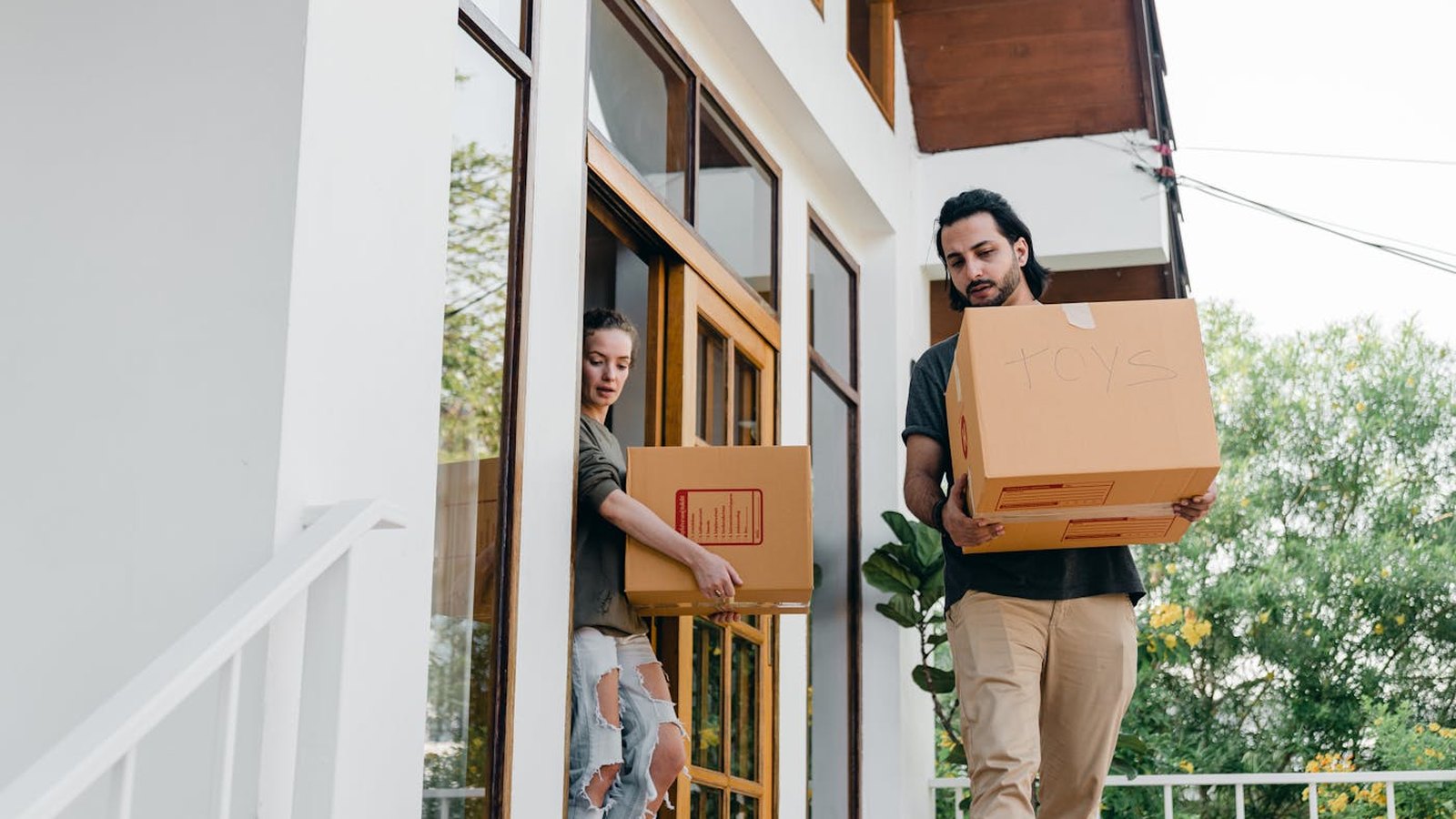
There’s a special grind in carrying a sofa across a gravel drive when it’s 102 out and the air sits dead still. A North-Central Texas summer asks a lot of the people lifting and the things being lifted alike. Joe and the crew run heat-season jobs all over Somervell County, and we’ve sorted out what keeps a body and a houseful of belongings intact when the thermometer climbs. Here’s the playbook, plus a word on the spring storm season that bookends it.
Why the First Hours of Daylight Matter Most
Around here the temperature climbs all day and tops out roughly between 3 and 7 in the afternoon, often sitting in the 95–105°F range across July and August. So we run the day backward and chase the cool morning. Summer crews get a first-light start, getting the heavy hauling done before the blacktop along US-67 throws the heat back up at you.
- Best window: roughly 6:00 to 10:30 in the morning, when the air is still livable and the cargo box hasn’t turned into a furnace yet.
- Worst window: early-to-late afternoon, when the mercury crests, legs give out, and the sticky air shoves the heat index well above whatever the thermometer says.
- Evening, if you must: it softens a little past 8:00, but stays warm after sunset and you’re fighting the light.
Keeping the People Safe, Crew and Family Alike
Heat sickness is no small thing out here, and the Texas humidity hides it, since the sweat soaks your shirt long before your body sends up a warning. These habits hold for our crew and for anyone in the family lending a hand:
- Start drinking water before you’re thirsty. By the time your mouth is dry, you’re already running short.
- Park an ice chest of water and an electrolyte mix right inside each doorway.
- Duck into the shade for a breather every half hour or so when it’s at its worst, even feeling fine.
- Wear loose, light clothes that breathe, a brimmed hat, and sunscreen you actually reapply.
- Dizziness, a sour stomach, cramping, or skin that quits sweating means stop now — get inside, sit, and cool off.
Our movers show up used to the season and carry their own supply, but anybody pitching in has to keep the fluids going or the day grinds to a halt.
The Things That Shouldn’t Ride in the Box
Parked closed up on a sunny lot, the inside of a cargo box climbs well past 140°F, hotter than the air around it. Plenty gets quietly wrecked that way. The table below sorts the usual suspects by what the heat does to them and where they ought to travel instead:
| What It Is | What Heat Does | How to Carry It |
|---|---|---|
| Candles, lip balm, makeup | Turns soft, runs, leaks | Ride along in the air-conditioned cab |
| TVs, laptops, game consoles | Screens crack, boards cook | Goes on last, or rides up front with you |
| Vinyl, slides, loose photos | Bows, sticks, colors bleed | Lay flat in a tote, out of direct sun |
| Canvases and framed prints | Frames split, glue lets go | Padded and standing up, in the cool cabin |
| Prescriptions and supplements | Strength drops off | Pack a small cooler and keep it on you |
| Wine and pantry specialties | Turns and spoils | Ice chest, lid shut, with you |
If you remember one thing about a Texas summer haul, make it this: whatever can soften, bow, or go bad rides up front by the vents, and the steel box gets only the furniture and the sturdy stuff.
What I tell folks every July is simple. A record collection, a stack of paintings, a good laptop — none of that wants to sit in a metal box cooking on the gravel. Hand it to me last, run your air, and keep it beside you. — Joe Powell, owner
Drought, Burn Bans, and Dusty Roads
A dry Somervell County summer brings more than heat. When the county sits under a burn ban and the ranch roads turn to powder, a few small habits save your floors and your patience:
- Lay floor protection at both ends. Blowing grit off a gravel drive tracks straight onto new floors without runners down.
- Mind the burn ban. A drought-stage ban means no burning the cardboard and packing scrap out back — bag it and haul it to the county drop-off instead.
- Wrap the upholstery. Shrink wrap keeps road dust off the cushions on a long FM-road carry, and clearing dry grass from the loading lane keeps a hot exhaust away from a fire risk.
What to Square Away the Evening Before
Run through this the night ahead and the morning unfolds a lot easier:
- Lock in the early arrival time with our office.
- Toss a dozen water bottles in the freezer and fill an ice chest for each address.
- Set aside a “rides in my truck” tote for the heat-shy items.
- Leave the A/C running at both houses so the new place is cool when the load shows up.
- Stand a couple of fans by the doors and down the carry path.
- Top off your phone and bookmark a radar so you can track any afternoon cell.
- Roll out floor runners so blowing dirt off the drive doesn’t follow you in.
Don’t Forget the Spring Storm Season
Glen Rose sits on the edge of Tornado Alley, and roughly March into June is the real severe-weather stretch: hard thunderstorms, hail that dents a truck and cracks a windshield, and the occasional tornado watch. That’s a scheduling reality, not a footnote.
- Watch the afternoon and evening. Spring storms tend to fire up after midday heating, so morning loads usually run clear of the worst of it.
- Keep a backup date in your pocket. When you book, ask how simply the day can move, so a supercell packing hail can’t catch you halfway through the load.
- Don’t roll a full truck into hail. The view down US-67 or TX-144 can vanish in a hurry, and hail chews up a box truck. No schedule is worth the gamble.
- Plan for cooled storage if the dates don’t line up. With a gap between move-out and move-in, an ordinary unit bakes your things for weeks; a climate unit, roughly $90–$220 a month, pays for itself in this part of Texas.
Through both seasons our team keeps the radar close and shifts your date when a system is bearing down — the kind of call you get from an accountable crew, not a number that hands you off. We run as a licensed and insured Texas mover, registered with the TxDMV as a household-goods carrier (yes, Texas licenses its movers through the TxDMV), with our own trucks and our own people. Whole-home jobs are on the local moving page, and lake-house work is on the Granbury moving page.
Frequently Asked Questions
When should a July move in Glen Rose start?
Sooner is better. We shoot for a crew on site around 6:00 or 6:30 in the morning, which gets the worst of the lifting behind us before the drive and the cargo box bake past the century mark.
Will the heat really hurt my things?
For a short hop, hardwood and a couch hold up fine. What you lose to a hot box is the soft stuff — candles, screens, records, framed art, and any medication. Those ride with you under the air. On our end we stage the load so the touchy pieces spend as few minutes in the box as we can manage.
Do you move when a spring storm is rolling in?
A normal rain doesn’t stop us; we wrap everything and keep it dry. Hail or a tornado warning is a different story — we won’t put a loaded truck on the road in that, and a reschedule costs you nothing.
Is climate-controlled storage worth it around here?
If your things have to sit more than a day or two over the summer, yes. An ordinary unit roasts every afternoon; a cooled one (figure $90–$220 a month) keeps the warp and the heat off wood, electronics, and art.
Does moving in summer actually save money?
It can, since the warm months are our quieter season. Book an early crew, drink water like it’s your job, set the heat-shy items aside for your own vehicle, and a July move goes off without a hitch.
Stay Ahead of the Heat — Grab a Sunrise Crew
The early slots fill up fast once it warms up. Pass along the date and the size of your place and we’ll hold a first-light arrival and write your flat rate down.